Fablingo / Fablingo Lebanese
Lebanese · Level pre-A1 · A1
Fablingo Lebanese
Fablingo Lebanese teaches the Arabic people actually speak in Beirut — through one story: the ahwe, the dekkéné, Téta’s flat, and friends you’ll come to know. Always comprehensible, never a word list.
→
Level pre-A1
Introduction — Meet the neighborhood
Welcome to the neighborhood
The Sounds of Lebanese
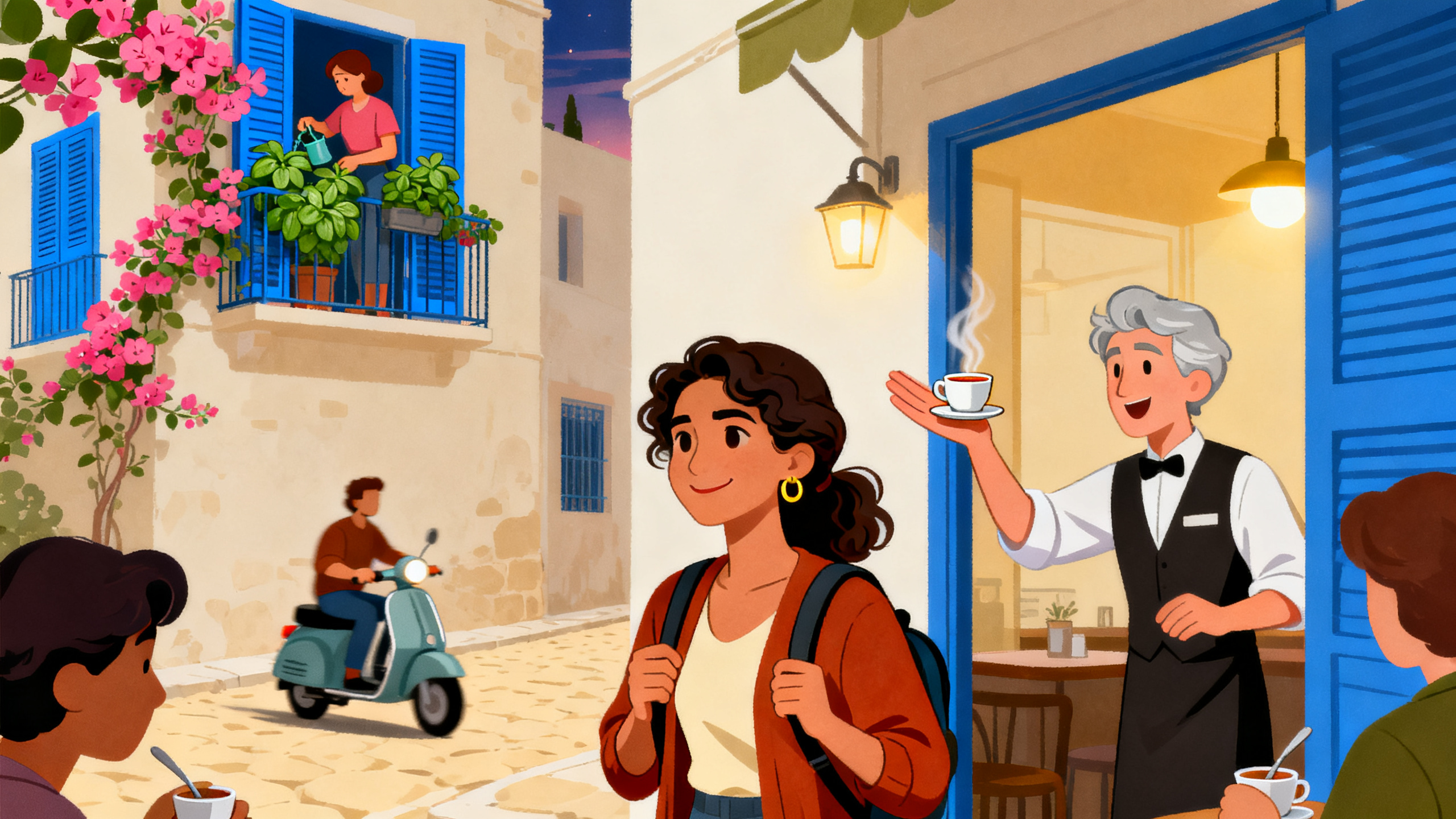
Hello and Goodbye
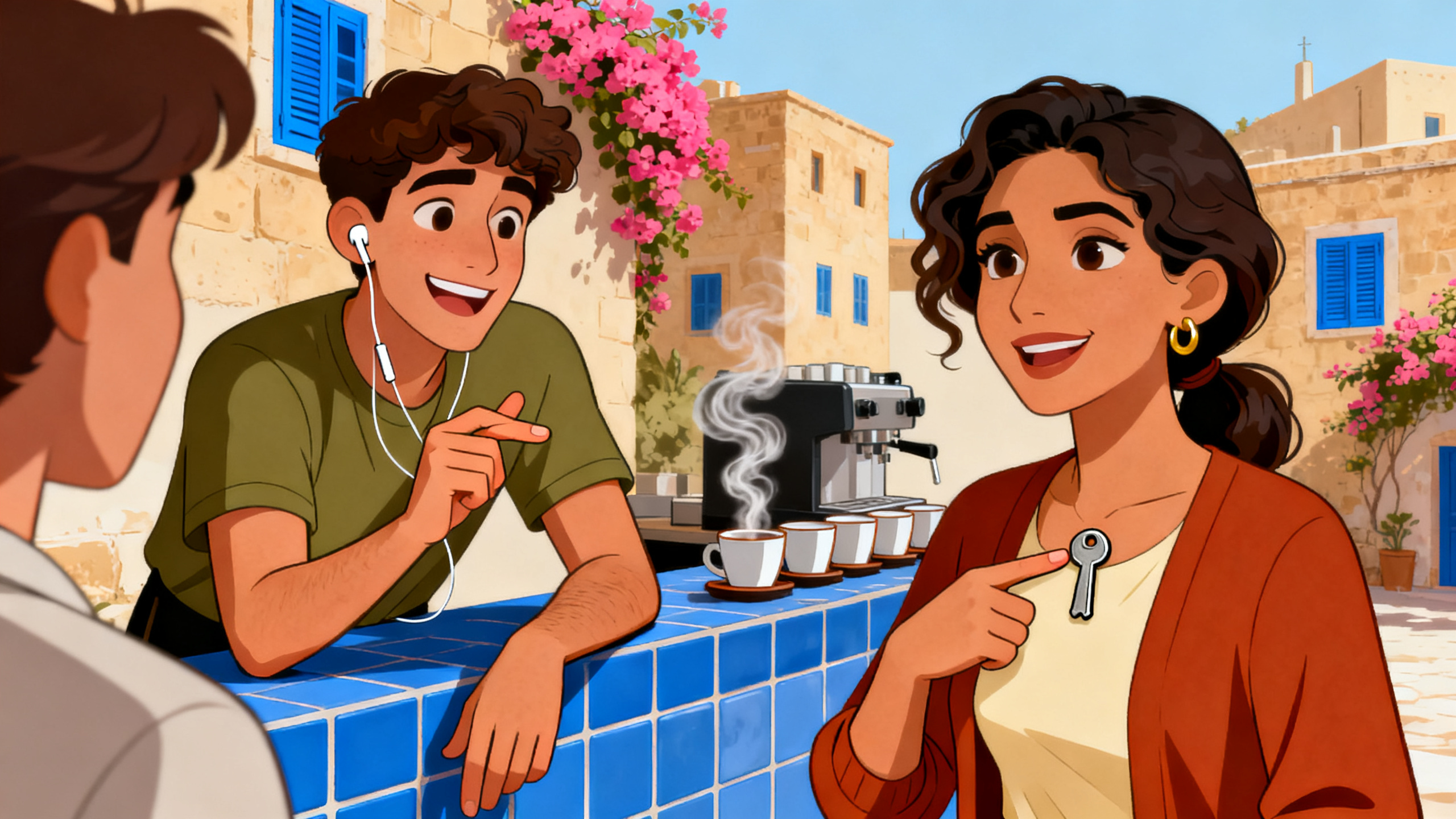
What's your name?
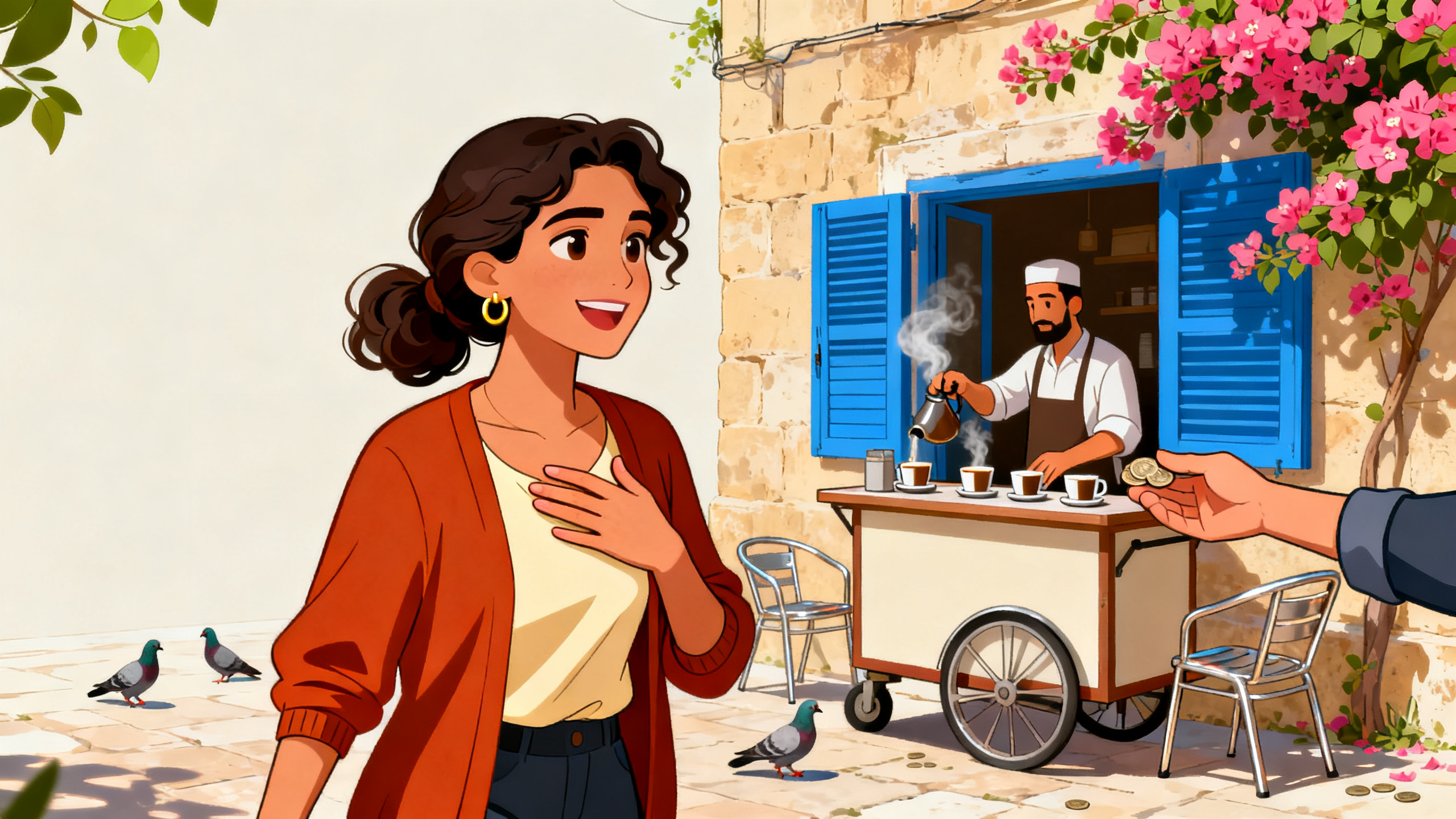
Mraja3a — A morning at the ahwe
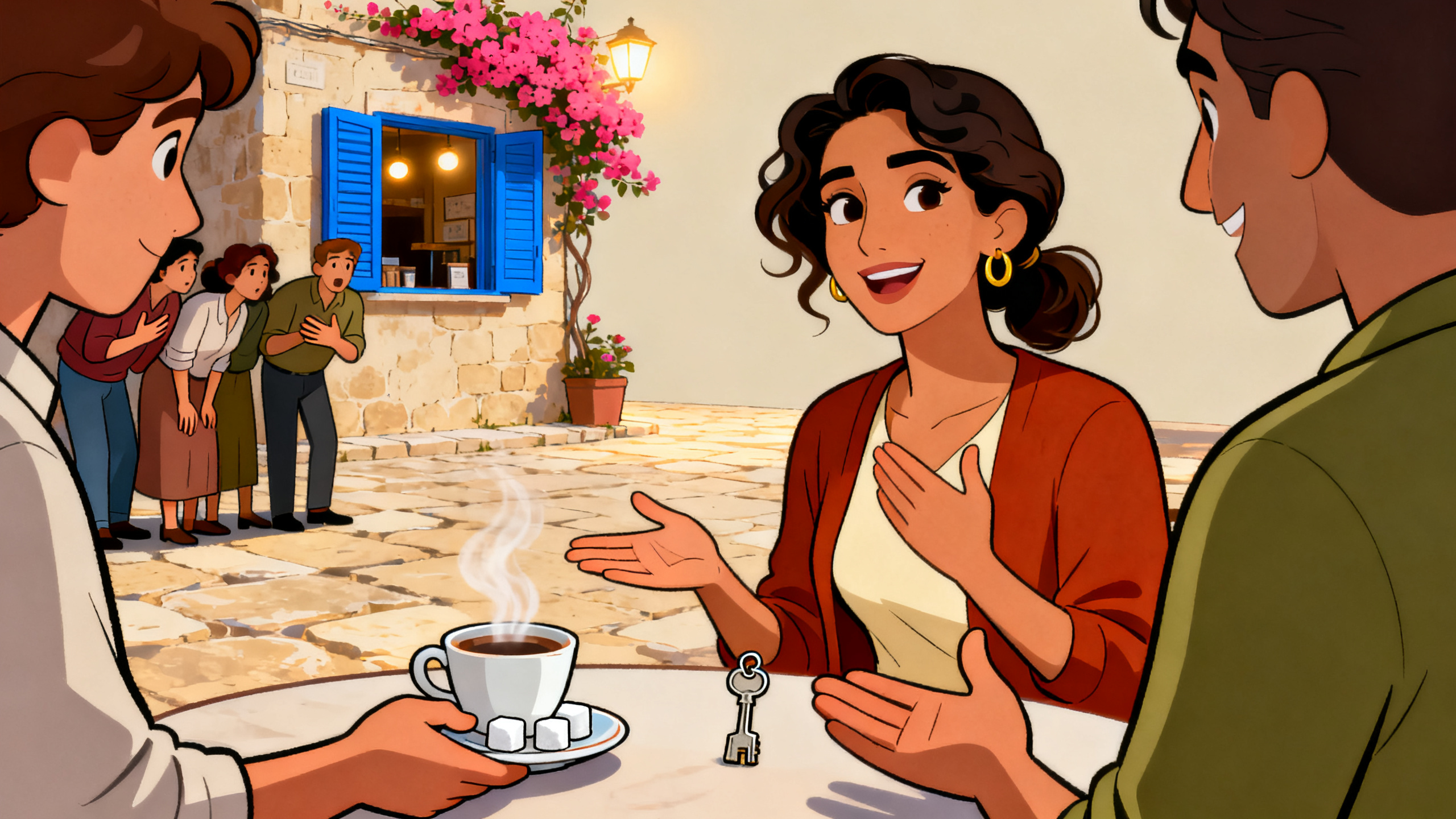
Where are you from?
Colours and Things
My Family, My House
Excuse me, doctora
Mraja3a — At Téta's flat
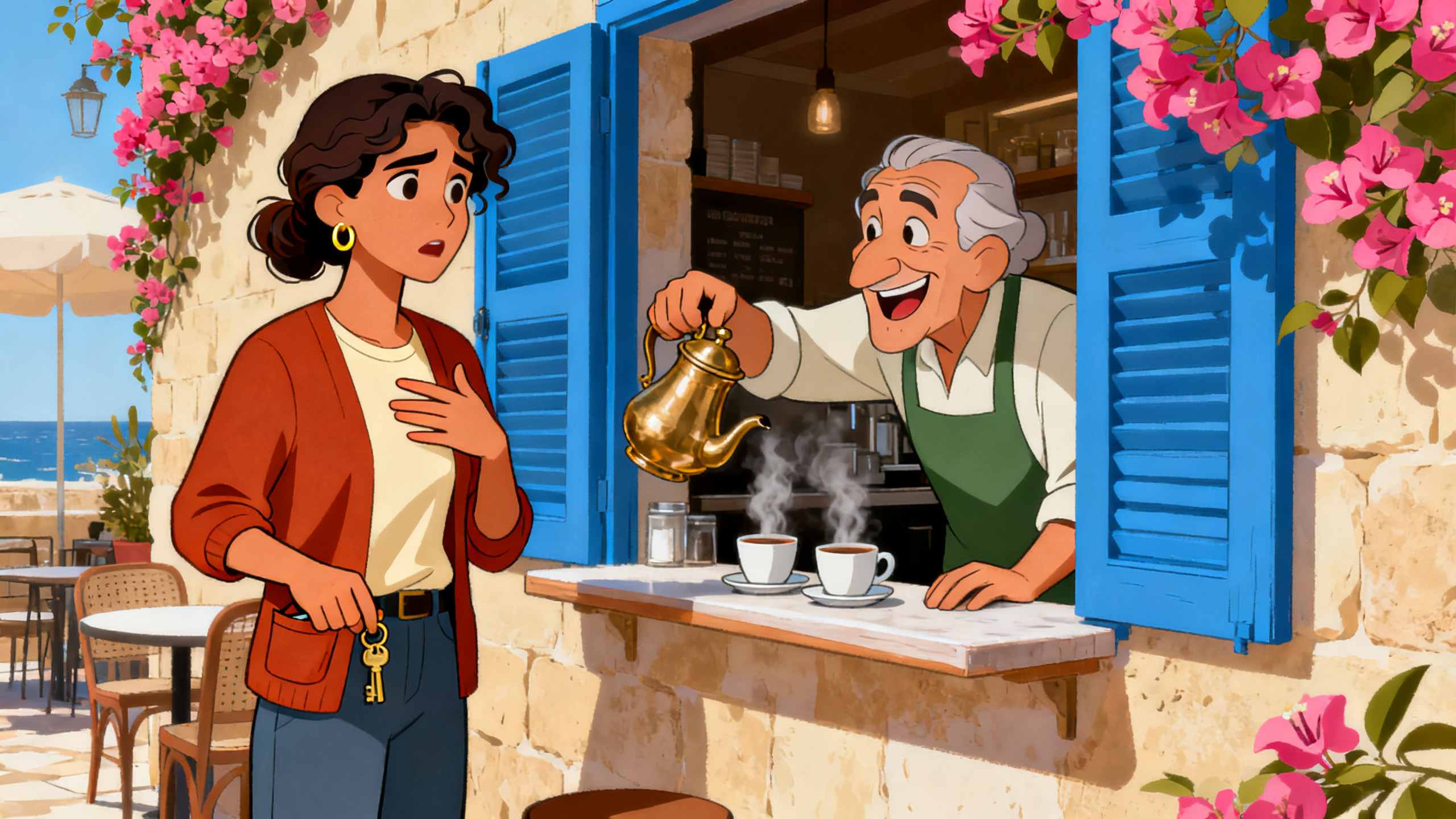
A coffee at the ahwe
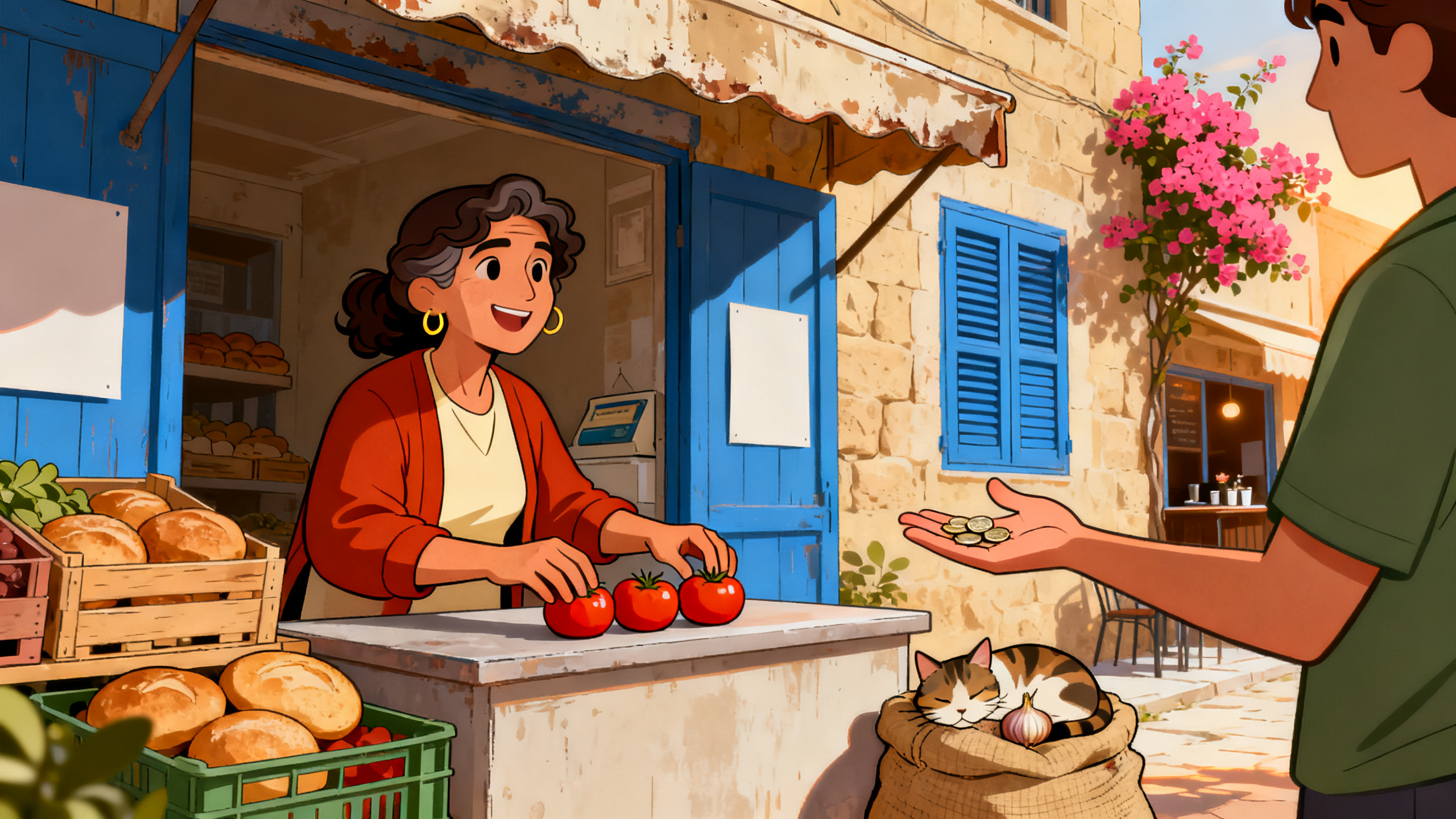
At the dekkéné
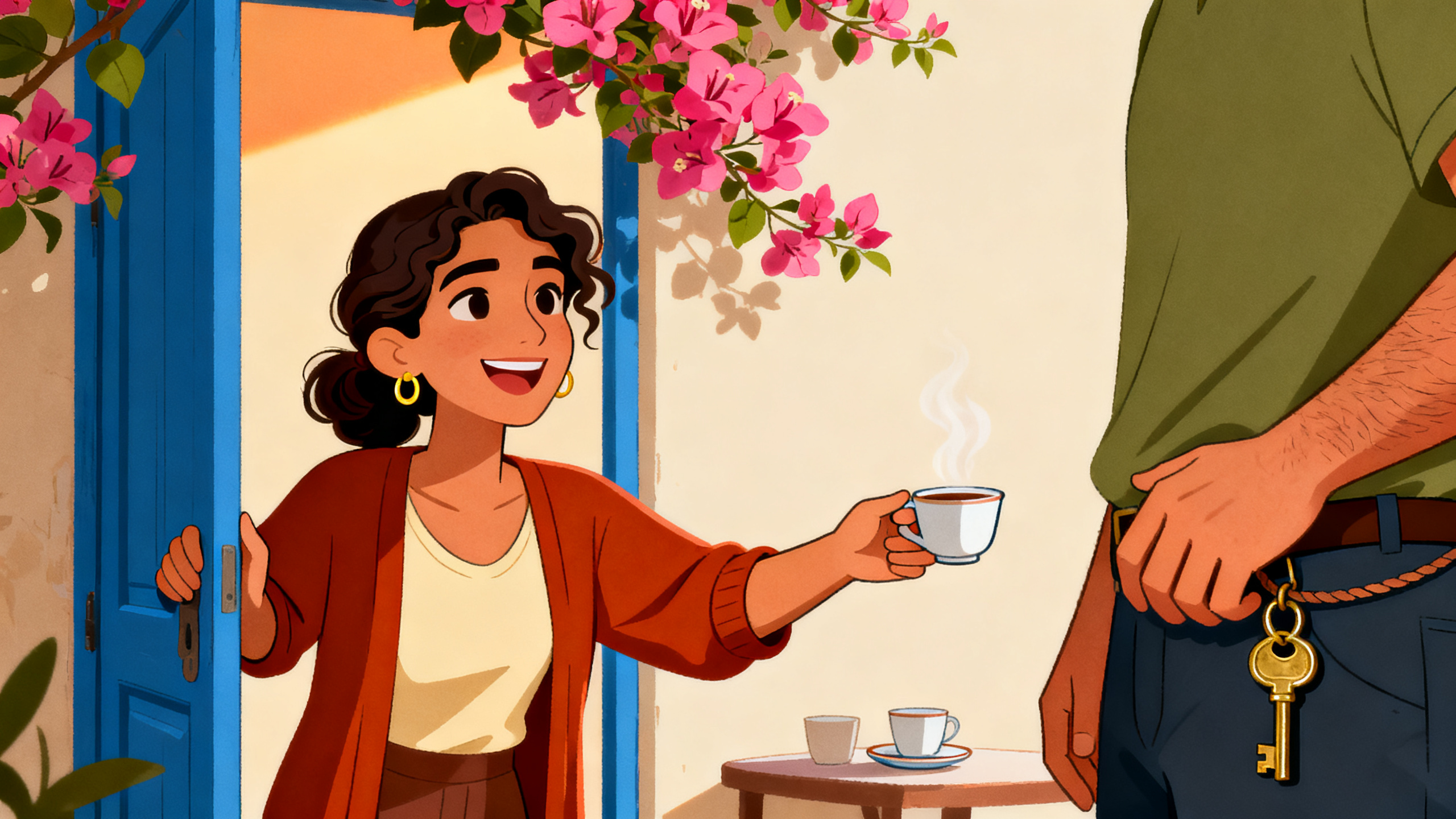
Days and wants
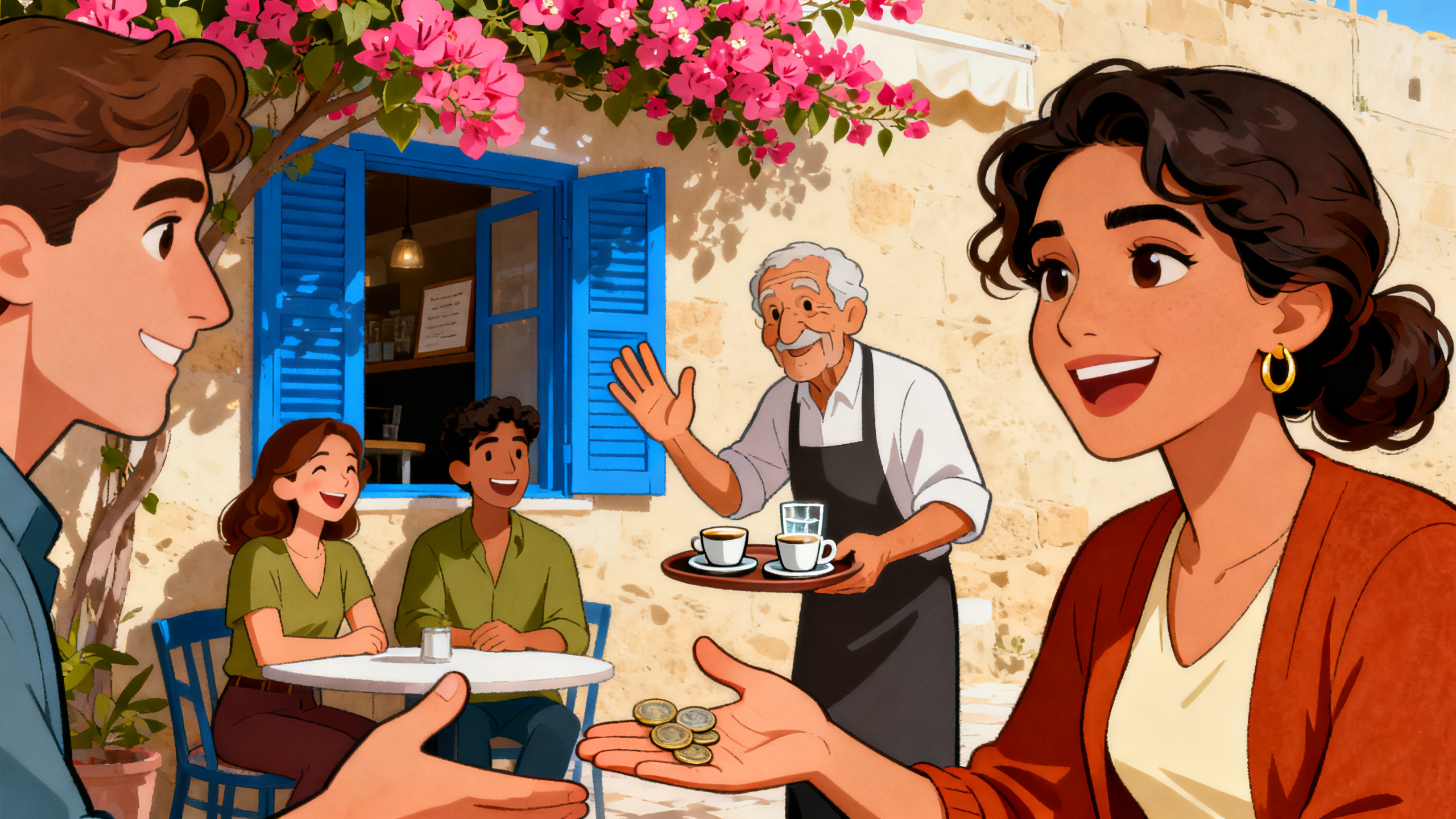
Real talk with Jad
Mraja3a — Errands around the ḥayy
Look how far you've come (End-of-level review)
Level A1
I live above the ahwe
What are you doing?
She sells, they play
I don't understand
▶ 29 September
Mraja3a: A morning at the ahwe
▶ 2 October
A coffee, on me
▶ 6 October
I have it / it's on me / it's mine
▶ 9 October
What do you want to do tomorrow?
▶ 13 October
Will you come with us?
▶ 16 October
Mraja3a: Coffee and a plan
▶ 20 October
Half a kilo
▶ 23 October
This one or that one?
▶ 27 October
Excuse me, where's the pharmacy?
▶ 30 October
The blue door, the big house
▶ 3 November
Mraja3a: Shopping across the square
▶ 6 November
My house, your house
▶ 10 November
The rooms of the flat
▶ 13 November
Getting dressed
▶ 17 November
It hurts here
▶ 20 November
Mraja3a: Morning at home
▶ 24 November
Do you have an appointment?
▶ 27 November
I have to go
▶ 1 December
Can I?
▶ 4 December
What time is it?
▶ 8 December
Mraja3a: At the pharmacy
▶ 11 December
Bigger and cheaper
▶ 15 December
Every day
▶ 18 December
The people of the ḥayy
▶ 22 December
Mraja3a (cumulative): A day in the ḥayy
▶ 25 December
Everything, and what's next
▶ 29 DecemberMeet the neighbourhood
Hear them say hello



How this course works
One street in Beirut, one story, one cast — the Arabic people actually speak, not the Arabic in textbooks. Here is what happens in an episode, and why it gets you talking.
The ahwe, the dekkéné, Téta’s flat
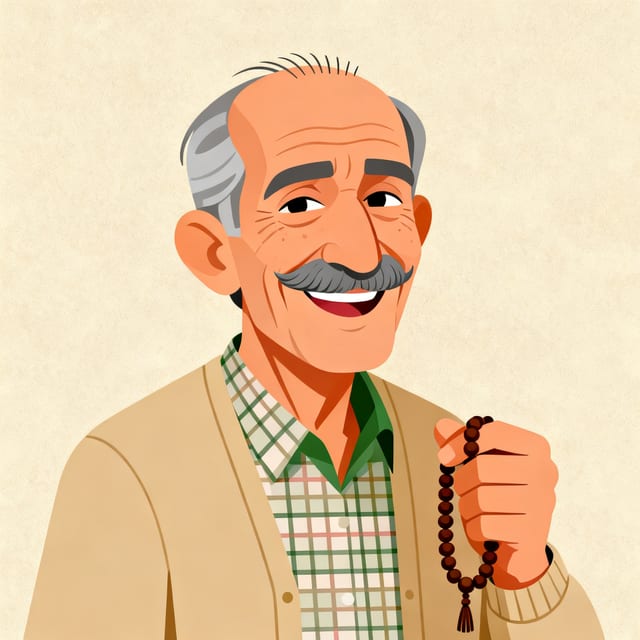
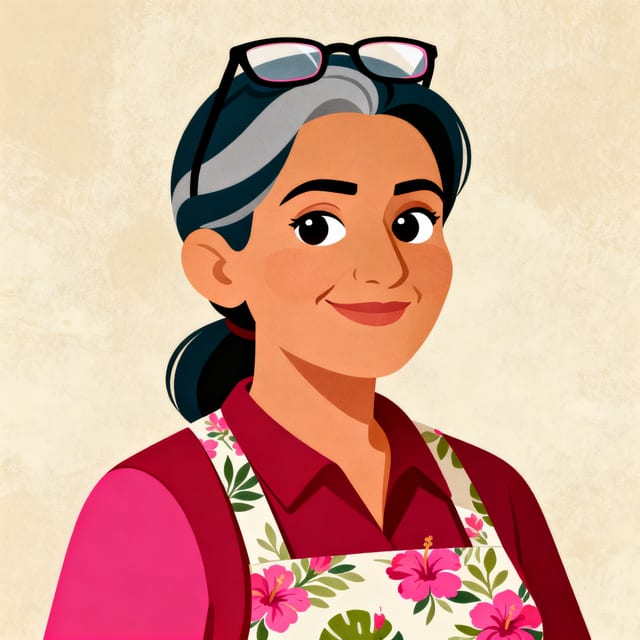
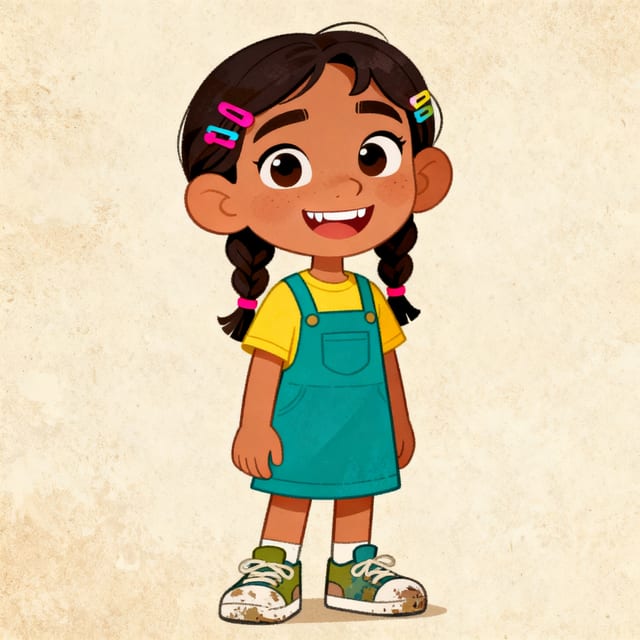
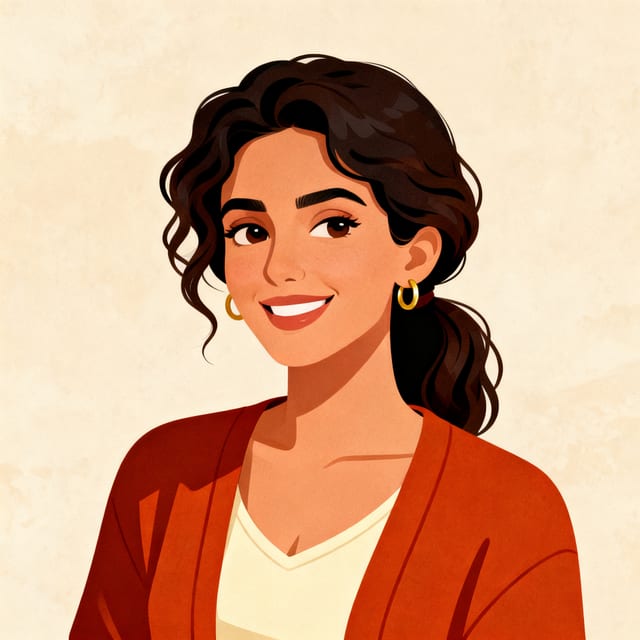
Everything happens in the same handful of places with the same people: Abu Naji behind the counter, Maya who talks fast, Sett Sana who feeds everyone, Téta Nabiha who remembers everything. The place never resets, so an episode only has to add language — never a whole new setting.
Spoken Lebanese, from the first minute
This is the register you’d actually hear on the street: real speed, real contractions, the words people really use for “I want”, “give me”, “yalla”. Scenes are set in English, the cast speaks Lebanese you’ve been prepared for, and the situation carries anything new. No word lists, no formal Arabic you would never say out loud.
You speak out loud in every episode
Speak-along beats pause and wait for you. The sounds English doesn’t have — ع, ح, the q that becomes a soft stop — are physical habits, and they only come from repeating them out loud from episode one.
Mraja3a — review as story
A phrase from episode 3 comes back in 4, 6 and 11 because someone in the neighbourhood needs it again. Every few lessons an mraja3a episode retells everything so far in Lebanese only, and that is usually where learners first notice they are following without translating.
What trips English speakers up here
Each lesson names one: the throat sounds, the numbers in Arabizi (3 for ع, 7 for ح, 2 for a glottal stop), the fact that Lebanese has no “to be” in the present, and the many places where a textbook’s Modern Standard word would mark you instantly as a tourist.
What this site adds
Each lesson page has the dialogue in text with transliteration, every phrase on its own page with the line it came from, an Anki deck for the whole course, and a ✓ so you never lose your place. New lessons twice a week, Tuesdays and Fridays.
All phrases in this course · 84 Common traps for English speakers Download Anki deck New to Anki?